

Das Schlimmste, was man jemandem sagen kann, der mit einer seltenen Krankheit lebt
What is the worst thing that you could say to someone living with a rare disease?

Warum Patienten mit seltenen Krankheiten so hart für klinische Studien kämpfen
Journalist and rare disease advocate Lindsay Guentzel breaks down why clinical trials are a lifeline for the rare disease community. With only 5% of known rare diseases having an FDA-approved therapy, trials often represent the only path toward treatment, progress, and hope.

Eine seltene Krankheit zu haben ist ein Vollzeitjob
Lindsay was diagnosed with dermatomyositis a couple of years ago. Since then, she has undergone more than 350 doctor appointments, 250+ hours of infusions, 10+ ER visits, while juggling insurance approvals, rides, and her pain and fatigue.

Das Warten in einer klinischen Studie zu seltenen Krankheiten
Rare Human Lindsay is in the midst of her first clinical trial for dermatomyositis, a rare inflammatory disease that primarily affects the skin and muscles. So far, she has learned so much about the process and is eager to share some of her insights with the rare disease community.

Die Einsamkeit einer klinischen Studie
While in a clinical study, Lindsay talks about how hard it is not to have a community to turn to, especially when there are only a few patients with her rare disease (dermatomyositis) who have experienced the same treatment she just went through.

Was ich über das Auswahlverfahren für klinische Studien nicht wusste
Find out what Rare Human Lindsay discovered about the clinical trial selection process after joining a clinical study for her dermatomyositis.

Behandlung und Umgang mit Versicherungen
For the past 7 months, Rare Human @ lindsay has been trying to enroll in a clinical trial for her dermatomyositis. Learn about the challenges that she faced along the way and how her rheumatologist helped her receive out-of-state insurance coverage.

Fürsorge für die Unsichtbaren: Unterstützung für Pflegekräfte von Menschen mit seltenen Krankheiten
Exploring the unique challenges rare-disease caregivers face, and how mindfulness and inner awareness can offer resilience and renewal.

Organisation im Fokus: Inspire
Inspire ist die weltweit größte Online-Community, die sich ausschließlich um die Erfahrungen von Patienten und Pflegekräften dreht. Mit mehr als drei Millionen Mitgliedern in über 250 krankheitsspezifischen Communities bietet Inspire einen Ort, an dem Menschen Unterstützung, Informationen und Zugehörigkeit finden können.

Wie eine zweite Meinung das Leben meiner Tochter mit Multipler Sklerose verändert hat
After 14 years of misdiagnosis and debilitating illness labeled as Lyme disease, a mother uncovers the truth—her daughter had aggressive multiple sclerosis (MS). Told through the lens of a fierce advocate and cancer survivor, this emotional account highlights the life-changing impact of finding the right doctor and fighting for those you love when they can’t fight for themselves.

Im Schatten des Seltenen: Aufwachsen als gesundes Geschwisterkind
Gina DeMillo Wagner talks about her book on grief, family chaos, and the invisible weight carried by siblings of those with complex illness.

Life Hacks für Mobilitätsprobleme: Tipps und Tricks für mehr Sicherheit im Badezimmer
When you’re living with a rare disease or loving someone who does, mobility challenges can be both physically and emotionally demanding. Here are some bathroom hacks.

Life Hacks für Mobilitätsprobleme: Poolnudeln zur Rettung
When you’re living with a rare disease or loving someone who does, mobility challenges can be both physically and emotionally demanding. Here are a few clever ways to use pool noodles.

Life Hacks für Mobilitätsprobleme: Sich erfolgreich kleiden
When you’re living with a rare disease or loving someone who does, mobility challenges can be both physically and emotionally demanding. Here are some tips for dressing with easiness.

Life Hacks für Mobilitätsprobleme: Werden Sie zu Hause smarter
When you’re living with a rare disease or loving someone who does, mobility challenges can be both physically and emotionally demanding. Here are some ideas for making your home smarter.

Life Hacks für Mobilitätsprobleme: Tipps für die Küche
When you’re living with a rare disease or loving someone who does, mobility challenges can be both physically and emotionally demanding. Here are some tips for getting creative in the kitchen.

Wie ITP-Patienten und Ärzte Müdigkeit unterschiedlich wahrnehmen – und wie Tagebuchschreiben und Zielsetzung helfen können
Discover how ITP patients and physicians differ in their views on fatigue—and how journaling and goal-setting tools can help reduce fatigue and improve overall quality of life.
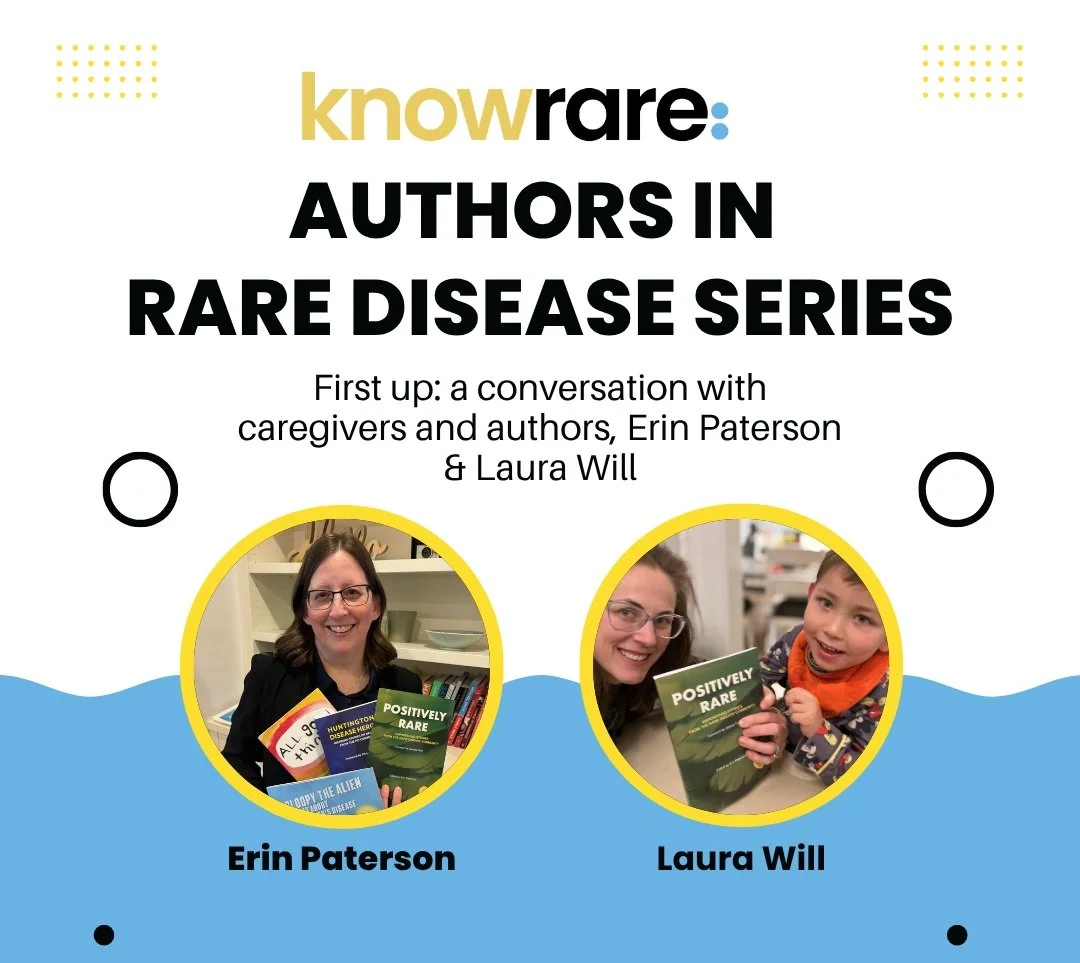
Ihre Stimme finden: Schreiben Sie über Ihre seltene Krankheit
Watch an intimate and inspiring conversation between Erin Paterson, an internationally recognized rare disease advocate and bestselling author, and Laura Will, a nurse practitioner, writer, and mother of a child with a rare brain malformation. Together, they will explore the complexities of living with and caring for individuals with rare diseases, sharing personal stories, coping strategies, and the power of community.

IgA-Nephropathie-Patienten mit familiärer Vorbelastung haben ein höheres Nierenrisiko
Discover how genetics and family history influence IgA Nephropathy (IgAN) risk and development, especially in Asian populations.

Teilen Sie Ihr Seltenes: Sierra Domb
Sierra Domb is a neuroscience research collaborator and health communicator living with erythromelalgia, a rare neurovascular peripheral pain disorder. She shares her diagnostic journey and provides tips for managing symptoms and developing resilience in the face of rare disease.