Myasthenia gravis: Fragen und Antworten

Introduction
At Know Rare, we believe sharing our questions, experiences, and collective wisdom can help us all in navigating an uncertain course with our rare disease. For medical questions, it is always important to consult your doctor or specialists; however, sometimes it can help to have information to share with them.
Searching for answers online can be frustrating and difficult, so we tapped into our internal experts to find trusted sources, which we will share with you. We have simplified the articles we’ve found in the medical literature, and have provided the reference to the original to share with your doctor.
This is the first of a series of questions we received and the research we’ve found on the topic.
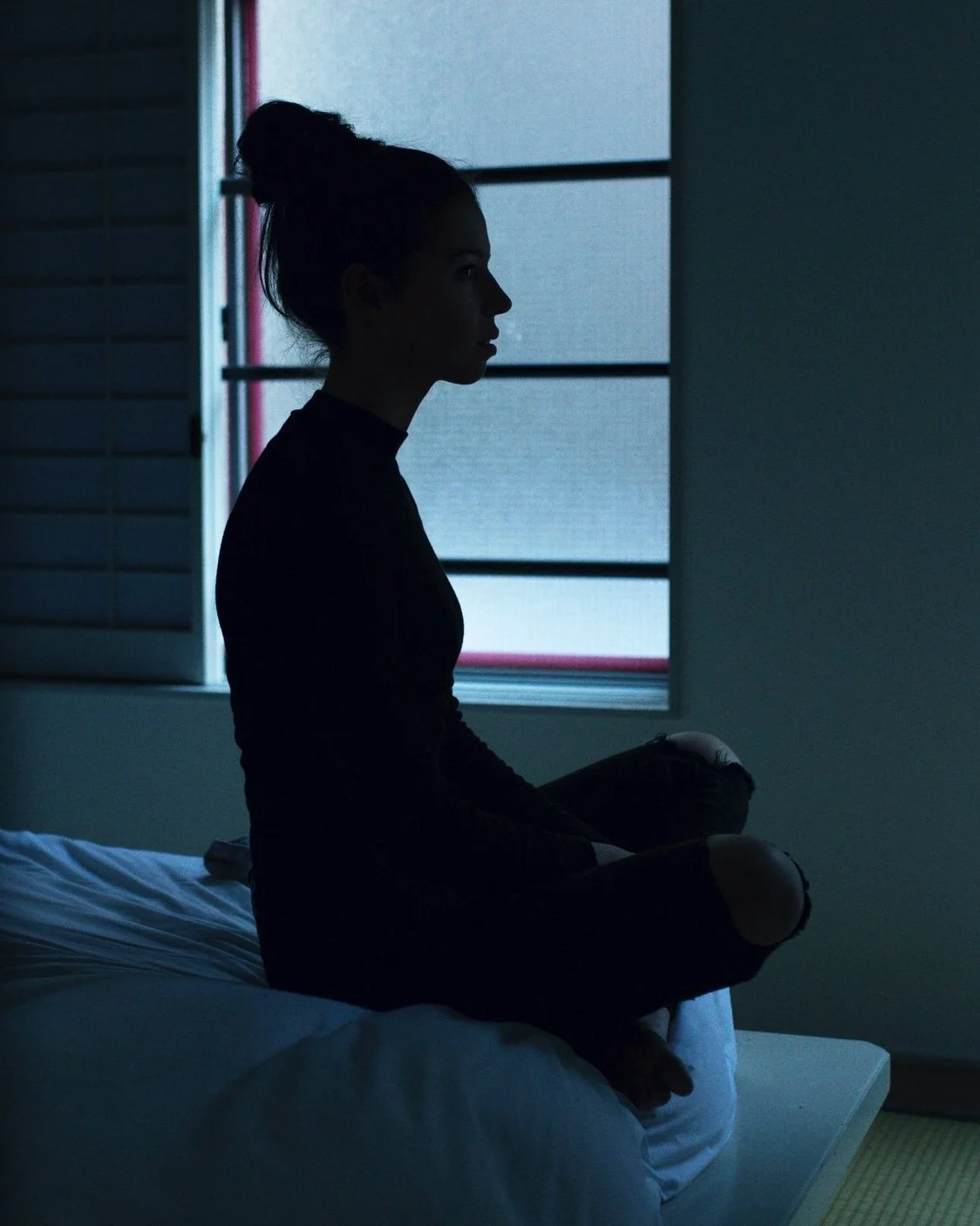
Q. Insomnia with MG – is it the disease or the treatment?
According to an article published in the Journal of the Society of Physical Therapy Science (“Sleep disorders in patients with myasthenia gravis: a systematic review, 2015), specialists in sleep laboratories in Brazil and Italy investigated the evidence of sleep disturbances in people with myasthenia gravis.
They reviewed 17 studies of sleep disturbances in people with myasthenia gravis. Some studies found that people with MG were more likely to have poor quality of sleep, excessive daytime sleepiness, restless legs syndrome, and disturbed breathing during sleep; on the contrary, other studies do not show the same results. Therefore, there is no absolute concrete evidence that people with MG have more sleep issues than other people.
6 TAKEAWAYS FROM A REVIEW OF 17 STUDIES ON SLEEP DISTURBANCES WITH MYASTHENIA GRAVIS (MG)
In one study, about 39% of people (nearly 4 out of 10) with MG had insomnia.
People with MG had shown significant differences with the quality of their sleep, such as a shorter REM sleep. People with insomnia tend to have shorter REM sleep, and it is also common with neurological conditions.
Disease severity may be a risk factor specific for MG patients with sleep disorders. People with active disease rather than those in remission, were more likely to have sleep issues.
Restless legs syndrome was present in more than twice as many people with MG vs people without it (43% vs 20%). Restless legs syndrome is when you have nighttime leg twitching, muscle cramps, aching, an ‘electrical feelin’ or throbbing at night, which can disturb sleep.
People with MG are also likely to experience excessive daytime sleepiness. In one study, one third of the people with MG who took a survey experienced more than mild daytime sleepiness.
Daytime sleep or napping for more than 5 minutes was shown to reduce neuromuscular fatigue in MG.
Share this Source:
Oliveira, EF et al. Sleep disorders in patients with myasthenia gravis: a systematic review. J. Phys. T Sci. 2015; 27 (6):pp. 2013-2018
More questions we’ve been asked:
Is there something out there being researched that would be effective for respiratory and chest-muscle affected MG?
For people with MG who have respiratory problems is BIPAP better than CPAP ?
Any reports of hearing loss with MG?