Tipps zum Umgang mit einer seltenen Blasenbildungskrankheit


The blisters and sore patches that occur with bullous pemphigoid (BP) and pemphigus vulgaris (PV) can be very painful. It can lead to life-threatening infections or, because painful blisters can occur in the mouth and throat, it can make it hard to swallow and eat, leading to significant weight loss or malnutrition.
There’s no cure, but there are treatments that can help.
If you are diagnosed with BP or PV, you may be referred to a skin specialist, or dermatologist, for tests and treatment. Treatments may include oral steroids, topical steroids, immune suppressant medicines, or more intensive treatments.
There are some lifestyle management tips you can do that can help.
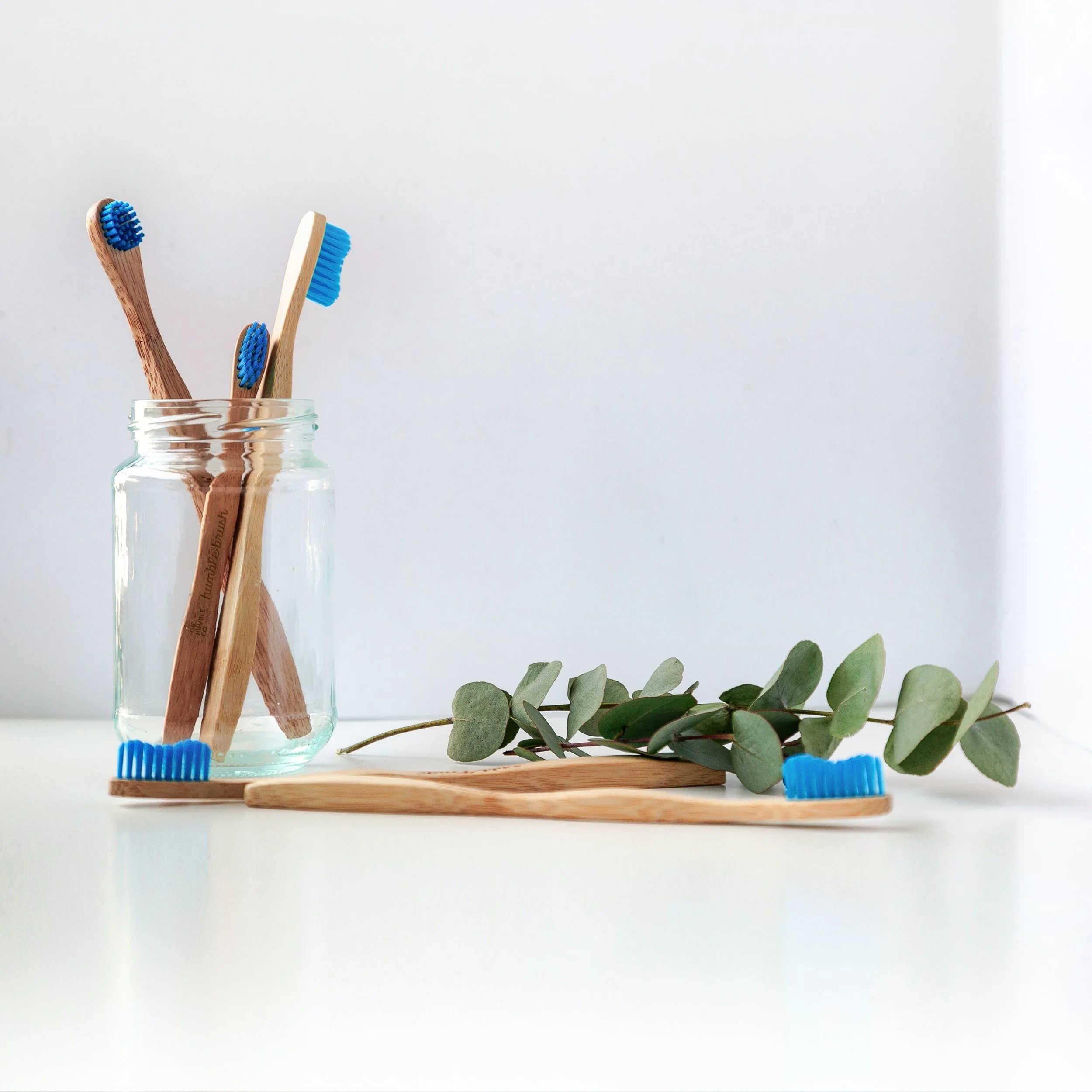
1. Practice good oral hygiene
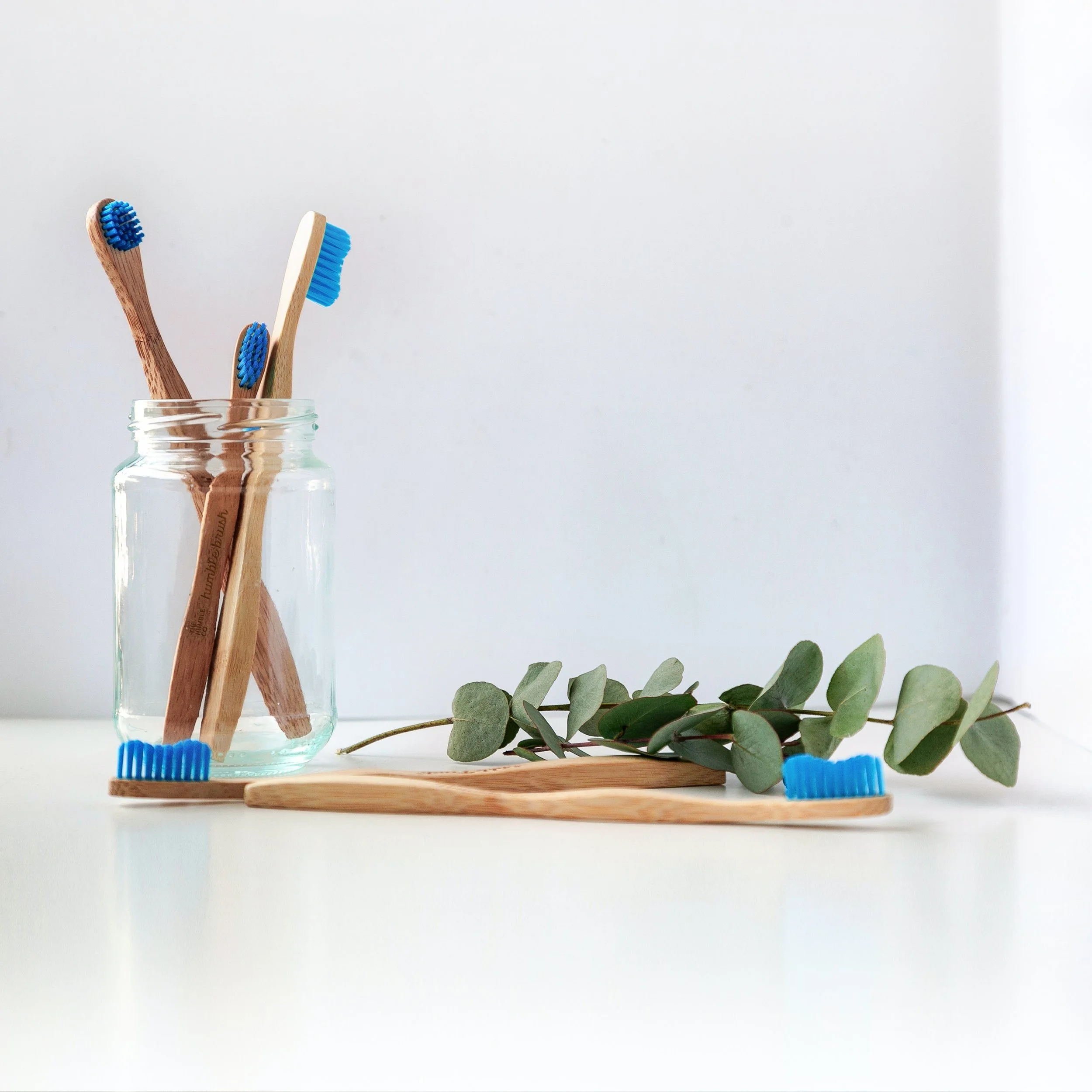
Use a soft toothbrush
Avoid harsh brushing of the gums
Use mint-free toothpaste
Floss daily
Use non-alcohol-based antiseptic mouthwash
Maintain regular dental/oral health checkups
Ask your doctor for specialized tips on how to care for your mouth and gums during a painful outbreak.

2. Take care of your skin
Avoid the sun and heat
Dress in soft, breathable clothing
When bathing, avoid scrubbing your skin
Use a gentle cleanser
Lightly pat dry with a towel leaving the skin damp
If you are dealing with blisters or wounds, practice good wound care. You can ask your healthcare provider to demonstrate how to dress a wound, ask how you can keep it clean, and whether you should use antibiotic ointments or emollients.
It’s important that you know what to look for if there are signs of infection and when to call your healthcare provider. Early, prompt treatment is the best way to manage an infection.

3. Make changes to your diet
It’s important to avoid some foods that can irritate sores in your mouth. Avoid foods that are:
spicy (examples, hot sauces, sriracha, curry, hot pepper)
crunchy (nuts, crunchy peanut butter, chips, crisp raw veggies)
acidic (tomatoes, orange juice and citrus)
or very hot (steaming foods or hot coffee and tea)

4. Take care of your eyes
Choose glasses instead of contacts
Wear sunglasses
Maintain regular eye health checkups

5. Keep stress in check
Living with a rare blistering disease can be stressful. But with many autoimmune conditions, stress can worsen pemphigus. Avoiding stress is not realistic, but learning to manage it can help.
Regular physical exercise can help with stress – just be sure to avoid any physical contact (like contact sports)
Make time for hobbies and passions
Consider practicing mindful exercises such as meditation or deep breathing
Have someone you can talk openly with